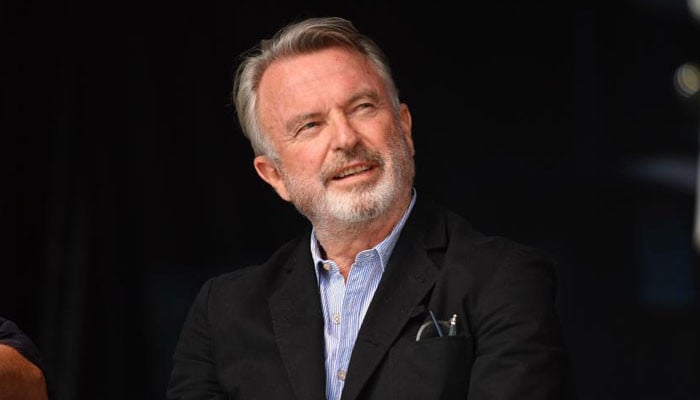
Sam Neill’s voice, steady and familiar, cuts through with the same quiet authority audiences have known for decades. This time, it’s not from a film set or a documentary narration—but from a deeply personal update on his health, four years after a life-altering stage three cancer diagnosis. The revelation wasn’t dramatic, nor delivered for shock value. Instead, it arrived with the grace and honesty that have defined Neill’s public persona: a reflection on survival, resilience, and the quiet aftermath of a battle most thought he’d already won.
His message, shared through his Substack platform, "Monkey Week," confirmed what fans had hoped: he is in remission. But more than that, he’s redefining what life looks like after surviving a serious illness.
A Diagnosis That Changed Everything
In 2021, Sam Neill revealed he had been diagnosed with stage three angioimmunoblastic T-cell lymphoma, a rare and aggressive form of non-Hodgkin lymphoma. The news stunned fans, not only because of the severity of the condition but because Neill had kept it private during treatment. At 74, he faced a challenging regimen: chemotherapy, hospital stays, and the emotional toll of confronting mortality.
What made his diagnosis particularly complex was the rarity of the illness. Angioimmunoblastic T-cell lymphoma accounts for only about 2% of all T-cell lymphomas. Symptoms often mimic other conditions—fever, weight loss, swollen lymph nodes—leading to delayed diagnoses. For Neill, the journey to diagnosis involved missteps and mounting concerns before the correct identification was made.
“I didn’t want to make a song and dance about it,” Neill wrote. “I didn’t want sympathy. I just wanted to get on with it.”
That mindset—pragmatic, private, and purposeful—shaped his entire approach to treatment. He continued working when possible, filmed voiceovers during recovery windows, and leaned on family, particularly his daughter, to stay grounded.
The Road to Remission: Four Years On
Four years later, Neill’s update brings clarity: he is no longer undergoing active treatment. Blood work remains stable. Scans show no signs of disease progression. He describes himself as “in remission,” a term he uses carefully, knowing the precariousness of long-term cancer outcomes.
But remission isn’t recovery in the way most imagine. For Neill, life post-cancer involves constant monitoring, fatigue management, and a restructured relationship with time.
- Regular blood tests every six weeks
- Annual PET scans
- Ongoing immunological monitoring
- Dietary and lifestyle adjustments
He’s also become more vocal about the psychological weight of survivorship—the anxiety of recurrence, the guilt of outliving others, and the strange disorientation of “returning” to normal life when nothing feels the same.
“I’m not cured,” he clarified. “But I’m functioning. And that, given where I was, feels like a kind of miracle.”
Life After Illness: A New Normal
Neill’s journey reflects a reality many cancer survivors face: the end of treatment is not the end of the experience. It’s the beginning of a new chapter, one defined by vigilance, gratitude, and recalibrated priorities.

He’s since scaled back his acting commitments, not out of physical limitation, but by choice. “I don’t need to prove anything anymore,” he said in a recent interview. “I want to spend time with my grandchildren. I want to sit in the sun with a glass of wine and not worry about the next call sheet.”
This shift mirrors broader trends among long-term survivors. According to research published in The Lancet Oncology, up to 73% of cancer survivors report significant lifestyle changes post-treatment, including reduced work hours, improved diet, and increased focus on mental health.
For Neill, this has meant: - Relocating permanently to his vineyard in New Zealand - Writing more frequently and candidly - Advocating quietly for rare cancer awareness - Embracing stillness as a form of strength
He’s also spoken about the importance of early detection, urging people not to ignore persistent symptoms. “I had unexplained fevers for months. I thought it was just aging. It wasn’t.”
Why His Story Matters Beyond the Headlines
Sam Neill’s health update isn’t just celebrity news—it’s a cultural moment that reframes how we talk about illness, aging, and resilience in the public eye.
Too often, cancer narratives follow a predictable arc: diagnosis, fight, victory. But Neill’s story resists simplification. He hasn’t “beaten” cancer so much as learned to live beside it. His transparency challenges the myth of the “inspirational survivor” and replaces it with something more honest: fragility, uncertainty, and quiet perseverance.
Consider the impact of his choice to share via Substack. Not through a glossy magazine feature or a tearful TV interview, but through long-form writing—raw, reflective, unmediated. In doing so, he reclaims the narrative. He controls the tone, the timing, the truth.
Other public figures have taken similar paths—Alan Rickman’s private battle, Chadwick Boseman’s silence, Olivia Newton-John’s advocacy—but Neill’s approach stands out for its lack of performance. There’s no call to action, no foundation launch, no product tie-in. Just a man trying to make sense of what happened, and where he is now.
The Hidden Toll of Rare Cancers
Neill’s specific diagnosis—angioimmunoblastic T-cell lymphoma—highlights a broader issue in oncology: the disparity in research and treatment access for rare cancers.
Unlike breast or prostate cancer, which benefit from massive funding and public awareness campaigns, rare cancers often fall through the cracks. According to the National Organization for Rare Disorders (NORD), rare cancers account for about 20% of all cancer diagnoses in the U.S., yet receive disproportionately less research funding.
Challenges include: - Fewer clinical trials - Delayed diagnoses due to unfamiliar symptoms - Limited treatment protocols - Scarce specialist centers
Neill’s case underscores the importance of specialist hematologists and early referral systems. Had his symptoms been dismissed entirely, the prognosis could have been far worse.
His survival, while deeply personal, also points to systemic needs: better education for primary care providers, faster diagnostic pathways, and increased funding for rare cancer research.
How Fans and the Public Have Responded
The public response to Neill’s update has been overwhelmingly supportive, but also revealing of broader cultural attitudes toward aging and illness.
Social media lit up with messages of relief and admiration. Fans praised his courage, his honesty, and his enduring charm. But beneath the praise, a quiet undercurrent emerged—discomfort with the idea of aging icons facing mortality.

Some comments reflected denial: “He looks too vibrant to be that sick.” Others minimized the diagnosis: “At least it wasn’t worse.” These reactions, while well-meaning, expose a tendency to sanitize illness, to prefer narratives of triumph over truth.
Neill, to his credit, hasn’t indulged that preference. He’s spoken openly about the fatigue, the fear, the lingering effects of chemo on his body. He’s refused to perform wellness.
In a culture obsessed with “anti-aging” and productivity, his choice to embrace limitation is radical. It says: survival isn’t about bouncing back. It’s about learning how to carry the weight.
What Comes Next for Sam Neill
Professionally, Neill remains selective. He’s completed voice work for documentaries and made brief appearances, but major film roles are no longer the priority. His vineyard in Central Otago, Two Paddocks, continues to thrive—a symbol of rootedness and continuity.
He’s also working on a new memoir, expected to delve deeper into his health journey, career, and life in New Zealand. Early excerpts suggest a tone of introspection, dark humor, and unflinching honesty.
More than anything, Neill seems focused on presence—on being here, now, in a way he might not have been before.
“I used to rush through life like it was a corridor I had to get through,” he wrote. “Now I stop. I look. I listen. It’s not dramatic. But it’s everything.”
A Message for Others Facing Similar Battles For those navigating a cancer diagnosis, Neill’s experience offers quiet guidance—not through instruction, but through example.
Key takeaways: - Listen to your body. Persistent symptoms warrant investigation, even if they seem minor. - Advocate for yourself. If something feels wrong, push for answers. - Control the narrative. Share your story on your terms, if and when you’re ready. - Accept the aftermath. Recovery isn’t linear. Fatigue, anxiety, and fear are valid. - Find meaning, not just victory. Survival isn’t always loud. Sometimes it’s sitting in silence, knowing you’re still here.
Sam Neill’s health update isn’t a finale. It’s a continuation—an ongoing conversation about what it means to live, deeply and honestly, after the crisis has passed.
For fans, for survivors, for anyone who’s ever faced a diagnosis, his message is clear: you don’t have to be fearless. You just have to keep going.
FAQ
What type of cancer does Sam Neill have? Sam Neill was diagnosed with stage three angioimmunoblastic T-cell lymphoma, a rare form of non-Hodgkin lymphoma.
Is Sam Neill cancer-free? He is currently in remission, meaning there are no detectable signs of active disease, though he continues regular monitoring.
How long has Sam Neill been in remission? As of his latest update, he has been in remission for several years following treatment that began in 2021.
Did Sam Neill undergo chemotherapy? Yes, he completed a full course of chemotherapy, which was central to his treatment plan.
Where is Sam Neill living now? He resides primarily at his vineyard in Central Otago, New Zealand, where he has focused on recovery and personal projects.
Has Sam Neill retired from acting? He has significantly reduced his acting work but remains involved in select voice and writing projects.
Why did Sam Neill share his health update now? He chose to speak out to offer honesty and perspective, not for publicity, but to reflect on his journey and connect with others.
FAQ
What should you look for in Sam Neill Shares Health Update After Cancer Battle? Focus on relevance, practical value, and how well the solution matches real user intent.
Is Sam Neill Shares Health Update
After Cancer Battle suitable for beginners? That depends on the workflow, but a clear step-by-step approach usually makes it easier to start.
How do you compare options around Sam Neill Shares Health Update After Cancer Battle? Compare features, trust signals, limitations, pricing, and ease of implementation.
What mistakes should you avoid? Avoid generic choices, weak validation, and decisions based only on marketing claims.
What is the next best step? Shortlist the most relevant options, validate them quickly, and refine from real-world results.